The SPLC Prosecution: Behind the Technicalities, It’s Protection for the Far-Right

When you look at what’s happening between the Department of Justice and the Southern Poverty Law Center (SPLC), you have to look past the dense legal jargon and the technical terms being thrown around in the news.
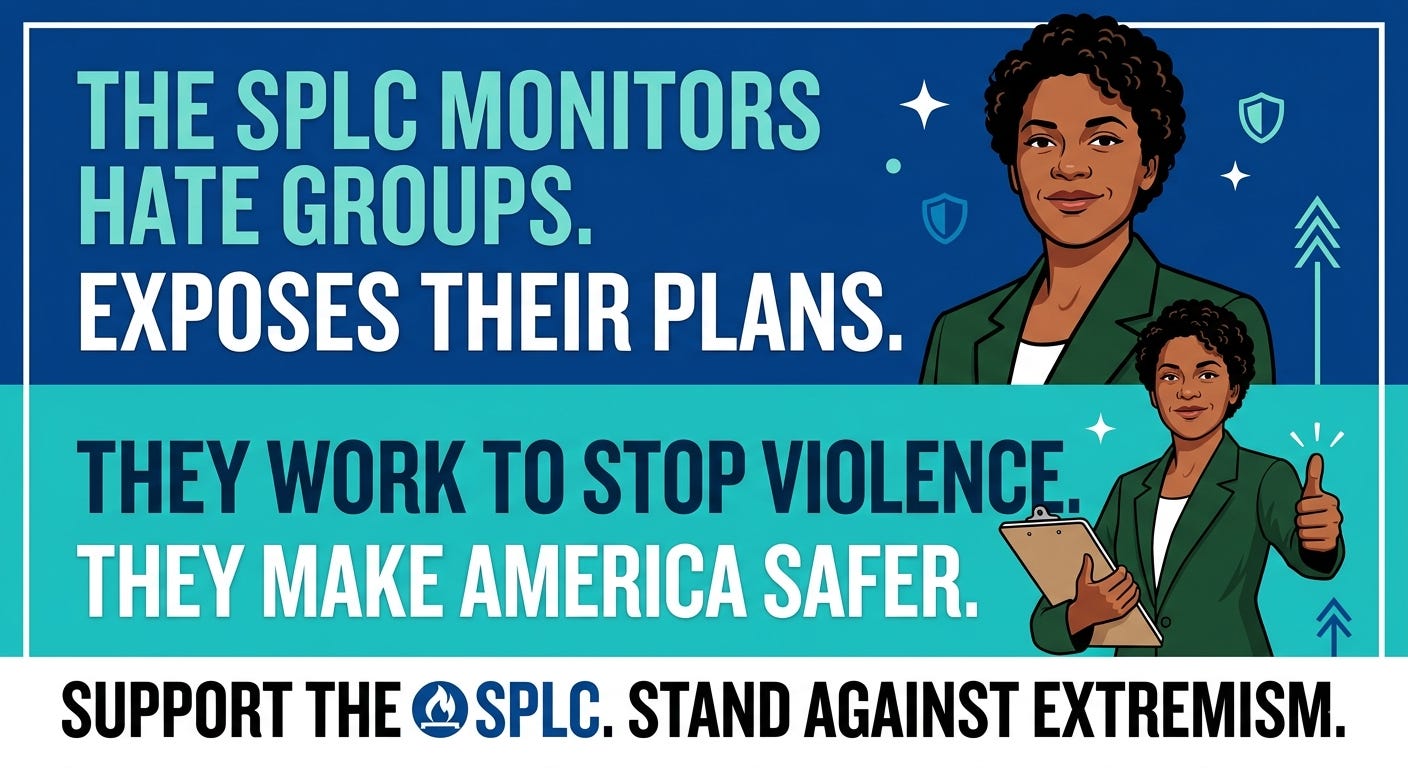
If you strip away the courtroom theater, the reality becomes completely clear on a systemic, societal level: This is a calculated political move to shield white supremacist groups from the public eye and protect a critical slice of the current administration's voter base.
The Bureaucratic Smokescreen
In April, Acting Attorney General Todd Blanche and FBI Director Kash Patel announced a sweeping, 11-count federal indictment against the SPLC in Alabama, alleging wire fraud, bank fraud, and money laundering. The government’s narrative sounds extreme—they are claiming that the SPLC "defrauded" its donors by secretly funneling $3 million to high-ranking members of extremist groups like the KKK and neo-Nazi organizations.
But here is the context they are deliberately trying to hide: those payments were part of a decades-old "field sources" informant program.
When you use informants inside hate groups, you make it virtually impossible for those organizations to operate in secret. You expose their plans, their crimes, and their potential for violence before more people get hurt. It’s an essential, highly effective intelligence strategy. In fact, it's the exact same tactic the FBI itself uses every single day to disrupt criminal networks, who are not named Trump, obviously.
Connecting the Dots
The SPLC wasn't funding hate; they were buying information to dismantle it. They have already provided records showing they frequently handed this intelligence over to law enforcement—including a 45-page alert that went to the FBI before the violent 2017 Charlottesville rally, and data that successfully crushed an Atomwaffen Division terrorist plot in 2019.
So why is the DOJ suddenly weaponizing non-profit transparency laws to shut this down?
Because Donald Trump’s core voter base relies heavily on these exact far-right, extremist groups. We all learned who these people were after January 6th, when their public records were made available for the world to see. A massive number of those rioters and extremists were exposed as ordinary business owners, like gun shop owners, and many literally went on the run after trying to overturn an election. They are domestic terrorists who smuggle weapons and break the law in plain sight. And they are counting on our inaction to spread their propaganda and hate in every major city. Most states even have telegram chats to discuss their illegal plans. Trump has emboldened them 100 times over since his re-election.
The "Soft on Crime" Irony
By going after the SPLC’s funding mechanism, the administration is achieving its real goal: paralyzing a prominent civil rights watchdog. They are arguing that these white supremacist groups shouldn’t be infiltrated by non-profits, essentially trying to carve out a safe zone where extremist networks can organize without oversight.
For an administration that campaigns heavily on a "tough on crime" platform, using the full weight of the federal government to stop people from investigating violent, gun-smuggling extremist groups is the ultimate contradiction. It is, plain and simple, being soft on crime. But, coming from the illegitimate Trump Regime- that's expected.
The DOJ is abusing its power to cater to a violent voter block, prioritizing political loyalty over public safety. Organizations like the SPLC are the ones making America safer—and that is exactly why they are being targeted.